Crypto Mobile app - 2Local
Re-designing a mobile app for a crypto-based product, from research, gathering feedback to wireframing and visual design.
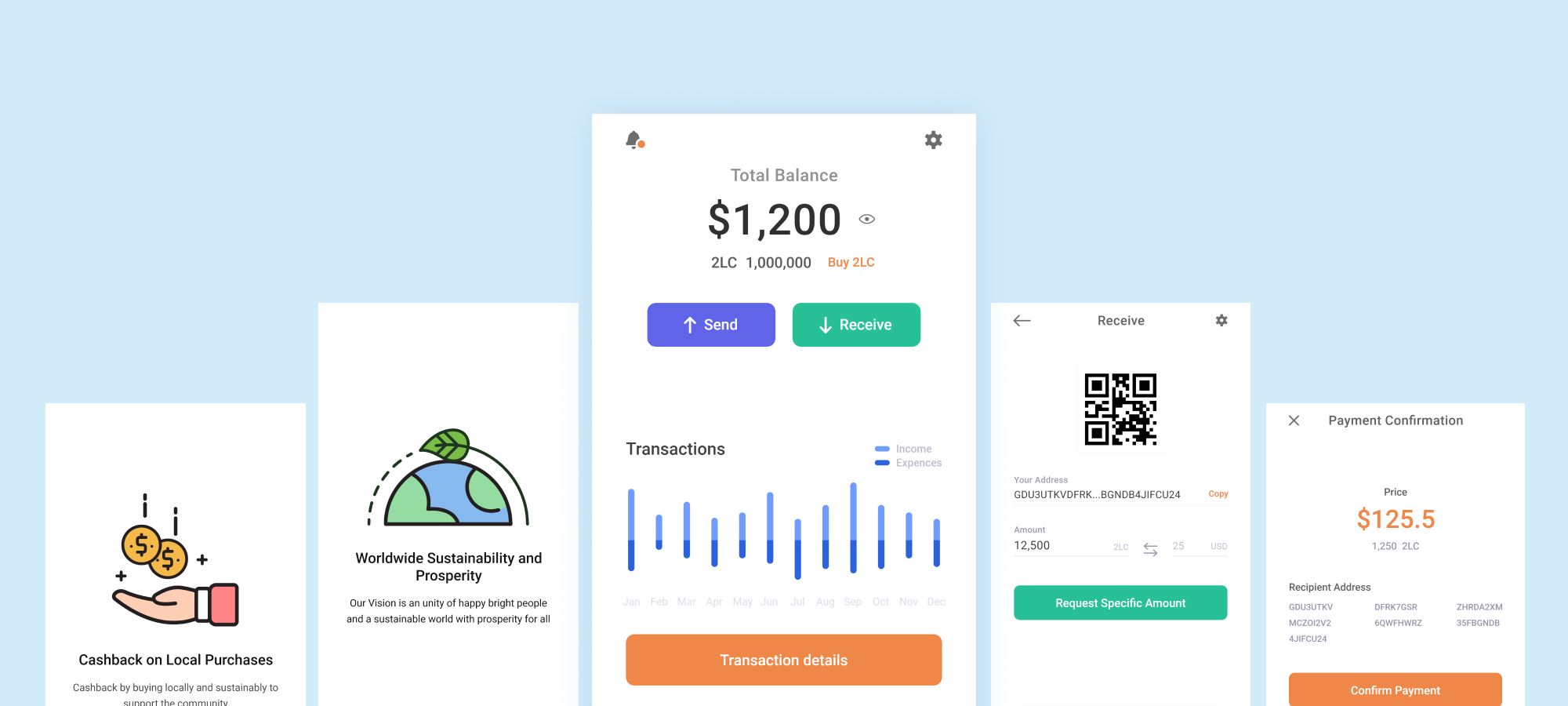
2local is an innovative blockchain-powered platform that encourages sustainability and prosperity for people. It provides a smart marketplace for consumers to connect with companies that produce local and sustainable goods and services with a unique cash-back system.
The Problem
The existing design of the app was created at the earlier stage and it was just representing a mockup with no considering any user experience at all. So, I could've got some overall insight from the existing app and its' features and make the design from scratch.
The challenge was to design a crypto platform that meets the user needs so they can get what they want with no hassle. The platform has its own coin (2LC) to offer to the users and they can use it to purchase stuff.
Research
We had very limited resources and also timeframes, so, I should've done quick research to better understand the users so we can brainstorm a better solution for them.
Interview
Luckily, 2local had its own fan group and I could have this chance to interview some of them. I tried to choose my questions in order to understand an overall insight from the users' goals, needs, and also their personalities.
How did you hear about cryptocurrencies and what got you involved?
I’ve heard about bitcoin in 2014 as a cryptocurrency, but no one had an idea what is a cryptocurrency and how it works. In 2016, I met with a friend who had invested in Ethereum as a currency with higher potential, and he said that he’s already had made a fortune through it. In 2016, all of the cryptocurrencies started to get the big hype, and I was super interested, attending all kinds of crypto meetings around London and joining groups, trying to learn as much as I can.
What Crypto product you usually use? why?
In 2017 when I invested, I used Coinbase. There were many platforms to buy/sell but Coinbase was a leader at that time. Also, it’s UI looked much better giving me a higher sense of security.
Do you usually use a payment app? why? (not just crypto payment app, in general)
I generally use Paypal for purchases which I might need to refund back because it’s easier to file a dispute on Paypal than from the bank. Also, sometimes I’m too lazy to get the card to write its details, so I just use Paypal.
User Persona
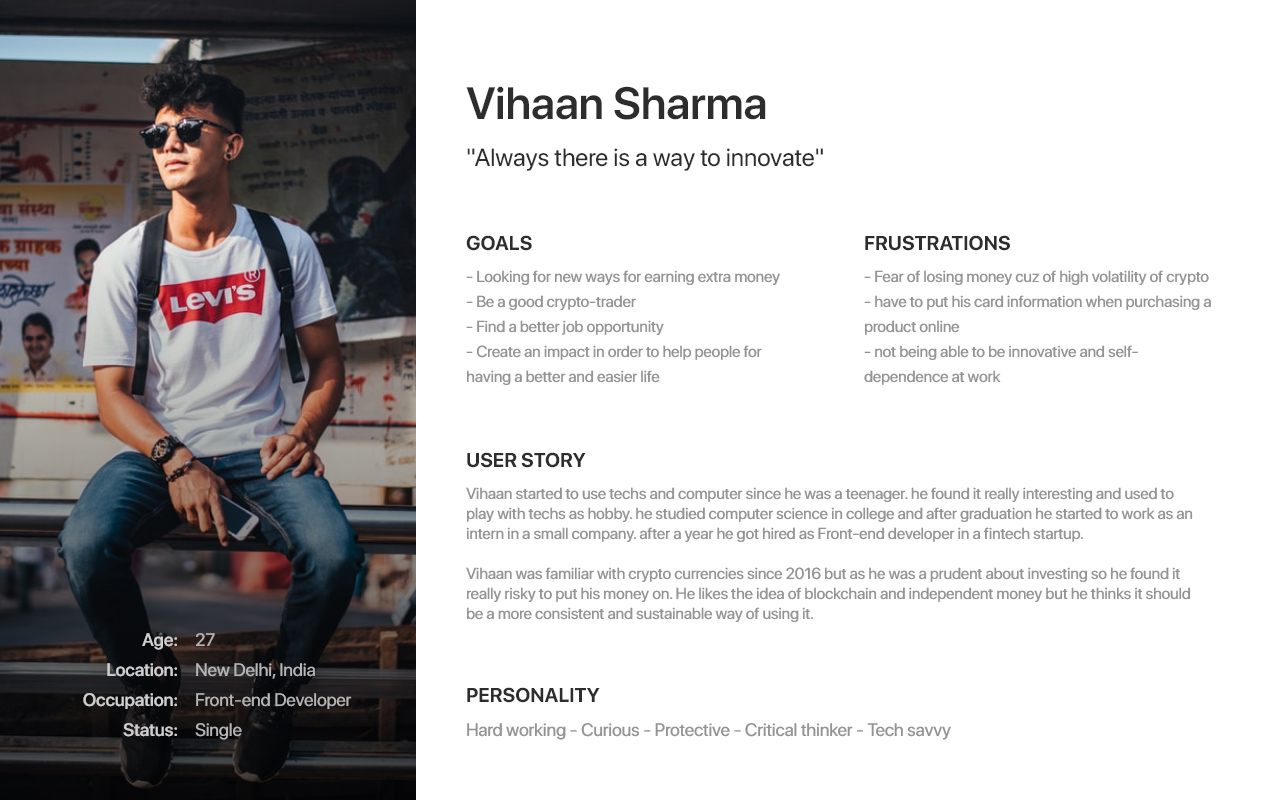
Based on the data I've gathered from interviewees, I've created the user persona of three different types of users. so, by using these personas I could focus on users' needs and their problems when making the design decisions.
As we know, the User Personas should be keep updated through an iterative process as we move forward and having a better perceptions of the users everyday.
User Story Mapping
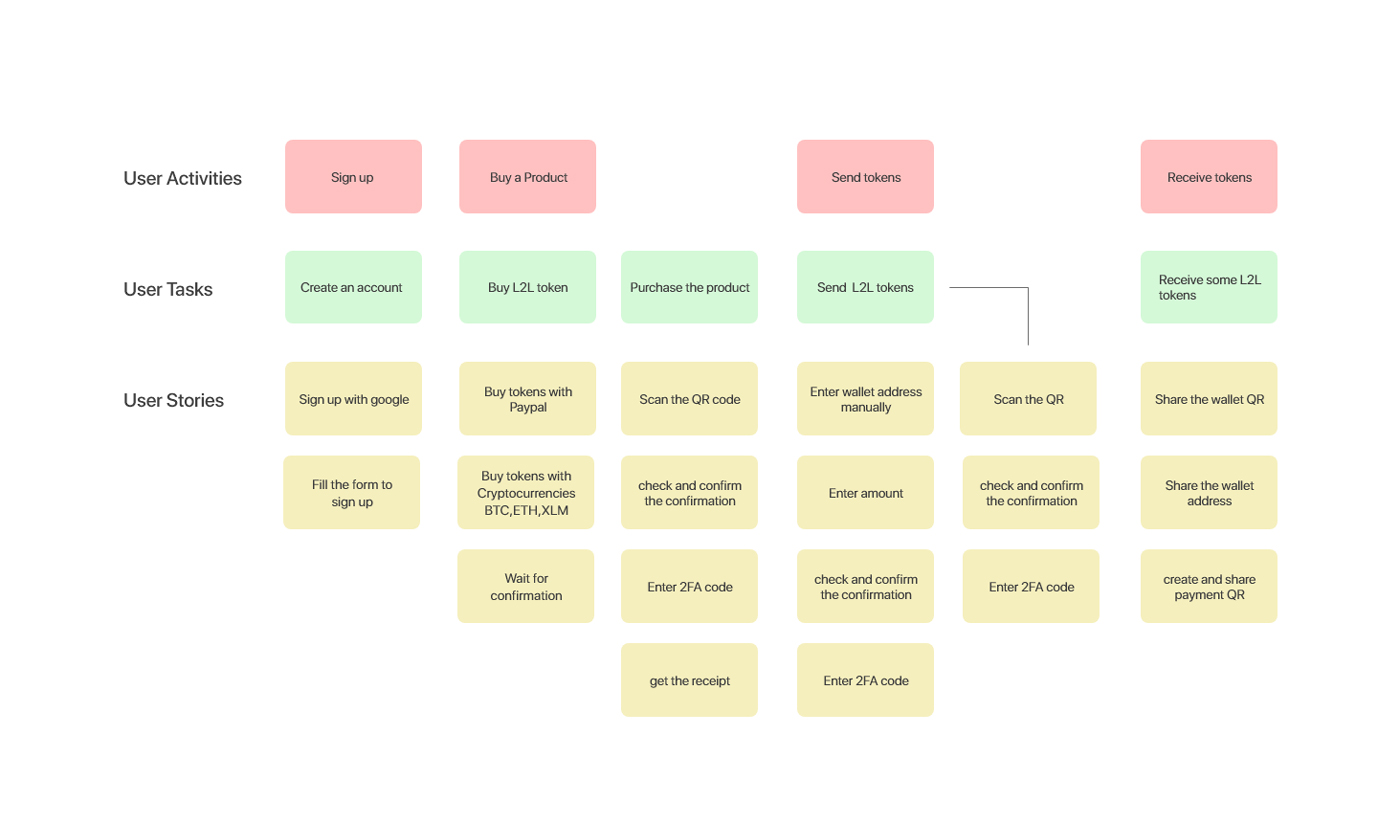
In order to brainstorm and prioritize better the user needs, and also managing activities, tasks, and stories - I came up with a quick User Story Mapping.
User Flowchart
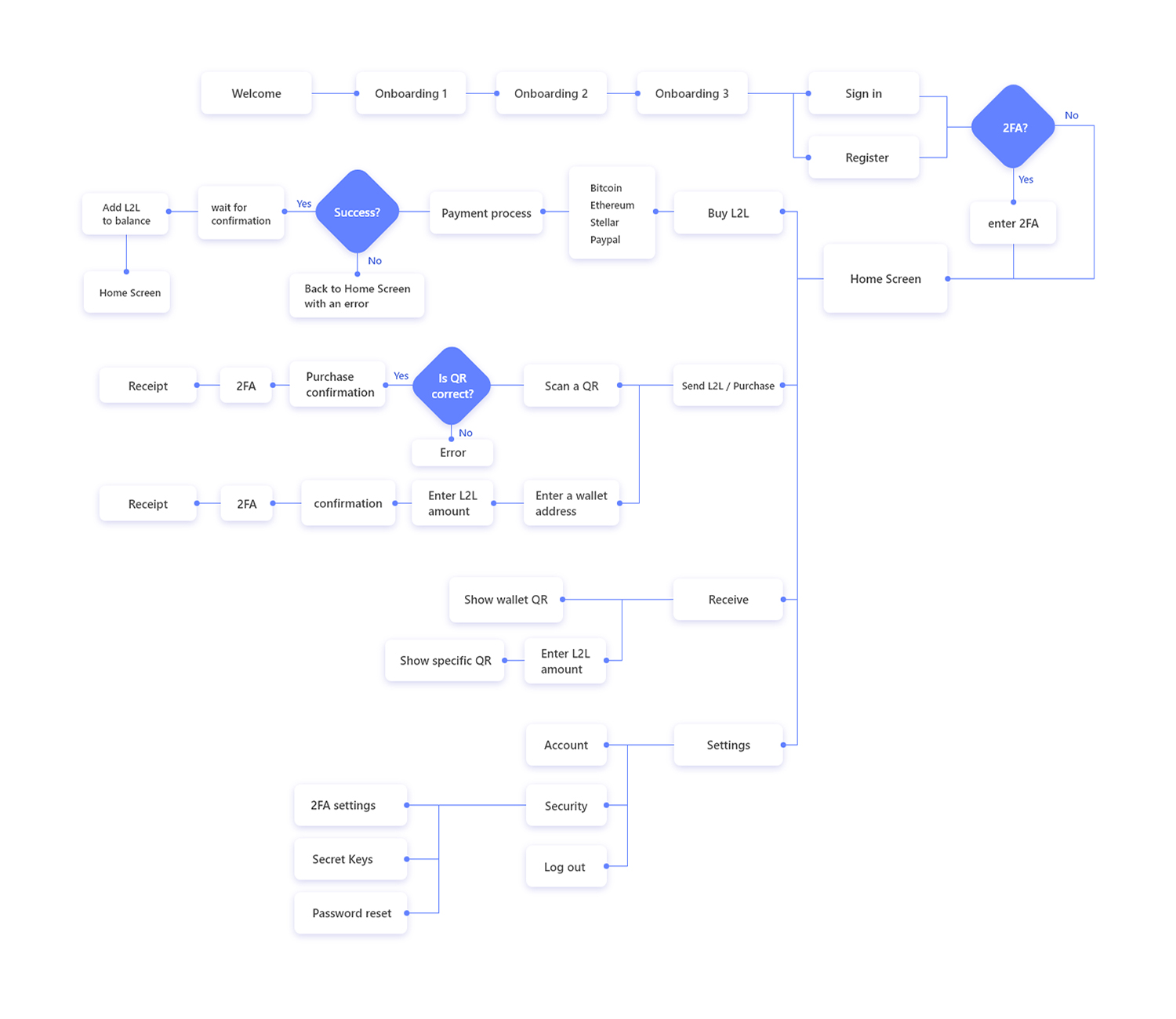
A user flowchart can help us clearly visualize the whole process/tasks that can be accomplished by the user. we can use this to spot redundant processes and make every flow more efficient, more simple, and easier to be done.
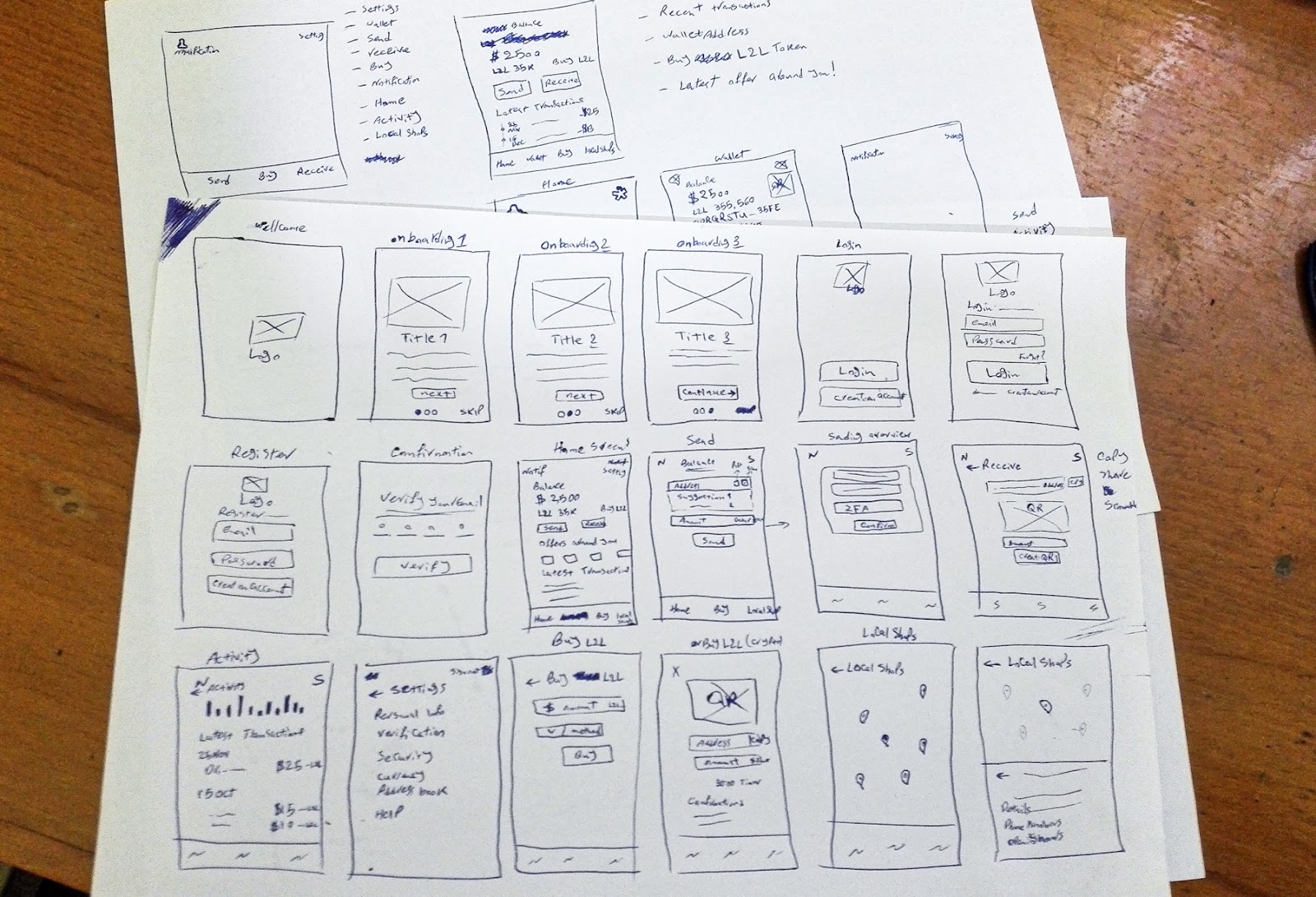
Sketches
The sketching is the best and fastest way to visualize and share the ideas so everyone can collaborate on this, fast and efficient. and it's so quick to be iterated with better ideas.
After several iteration and sharing ideas with the Dev and Core team, We came up with this solution in sketching process.
Wireframing
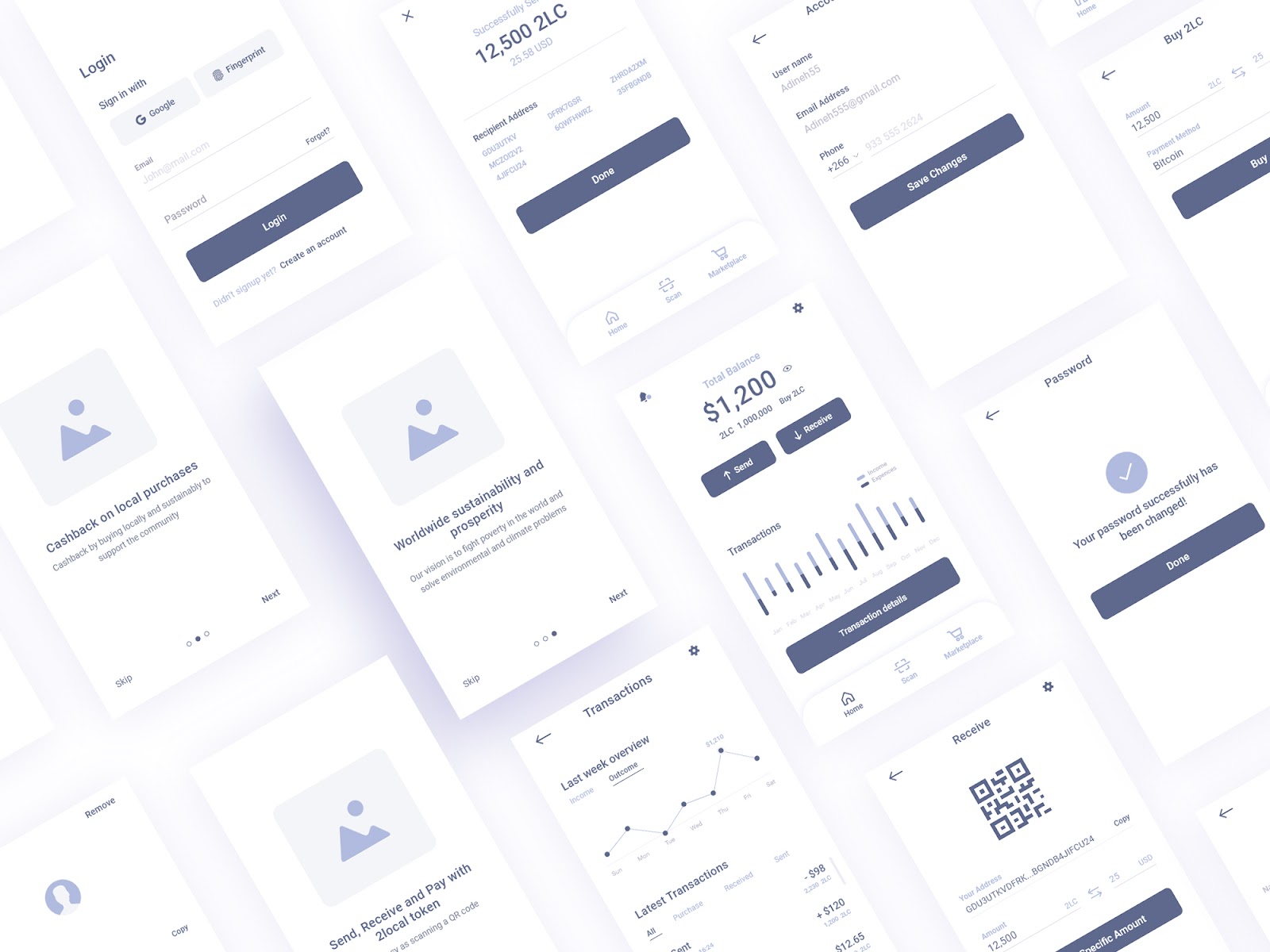
Based on the sketches we came up with, I designed the wireframes so we can have a more clear and better vision of the app's architecture and also testing the functionality of the solution with a real human. so we went through a low-fidelity prototype that resulted in some iterations.
High Fidelity Prototyping
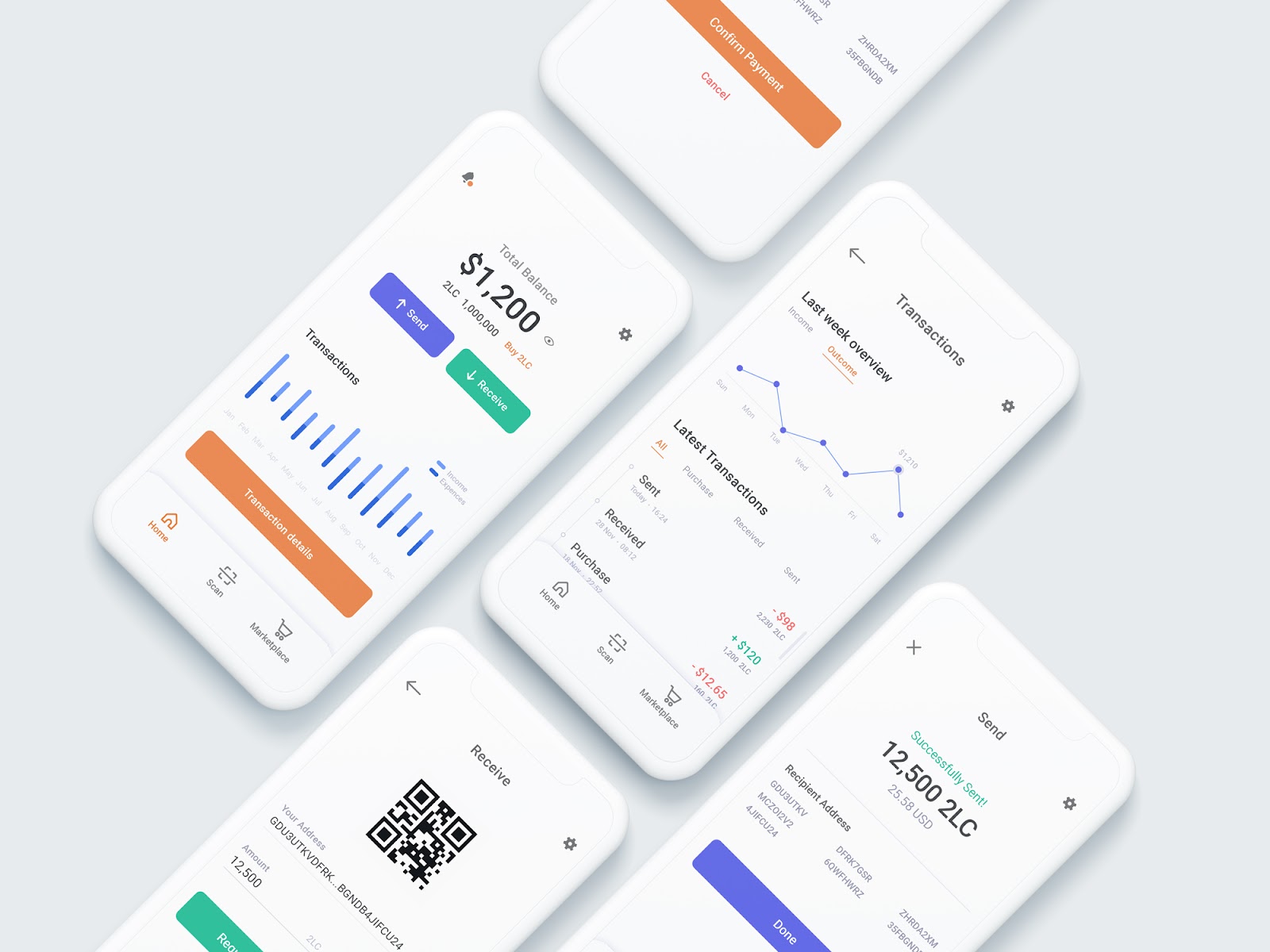
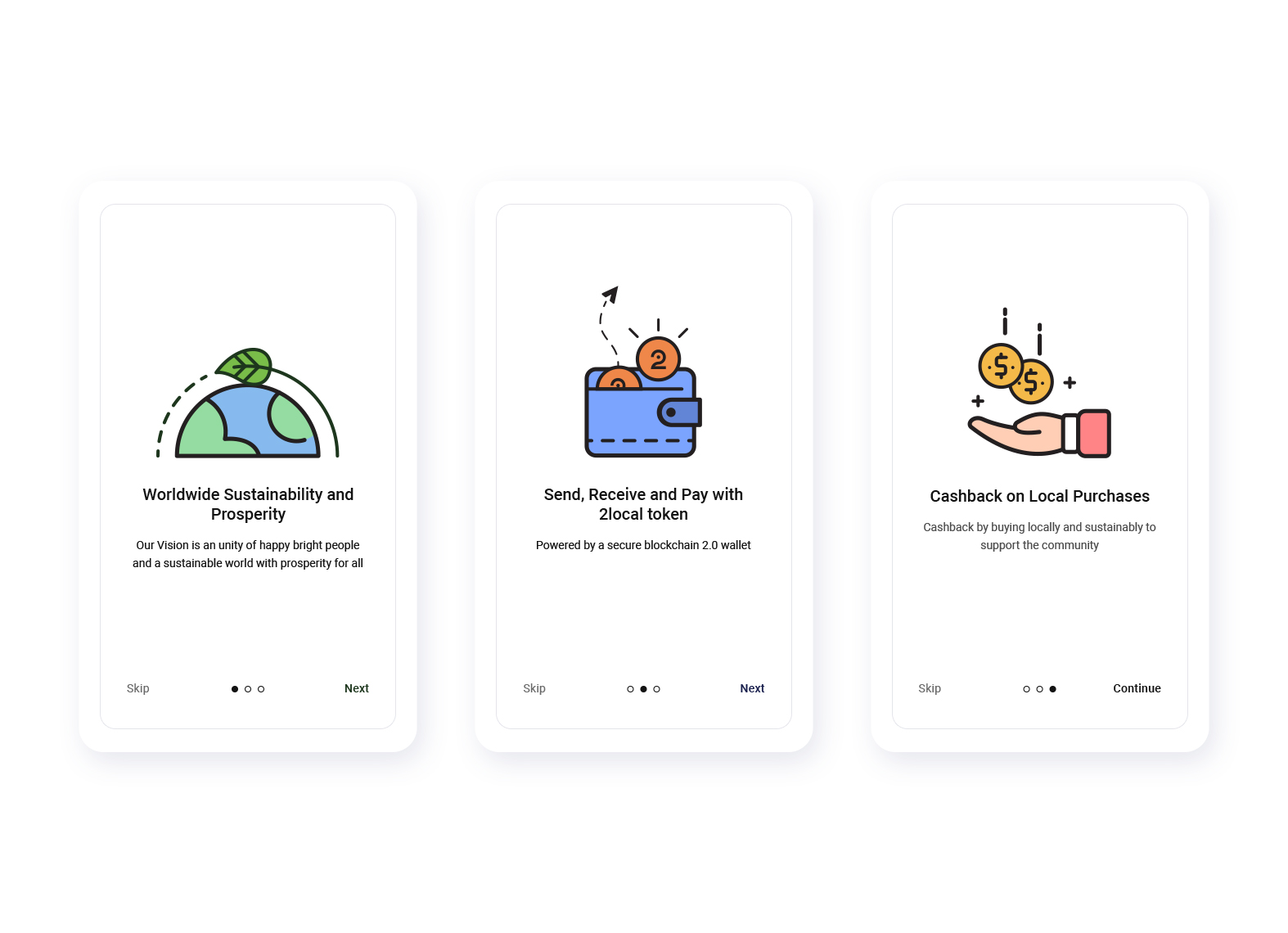
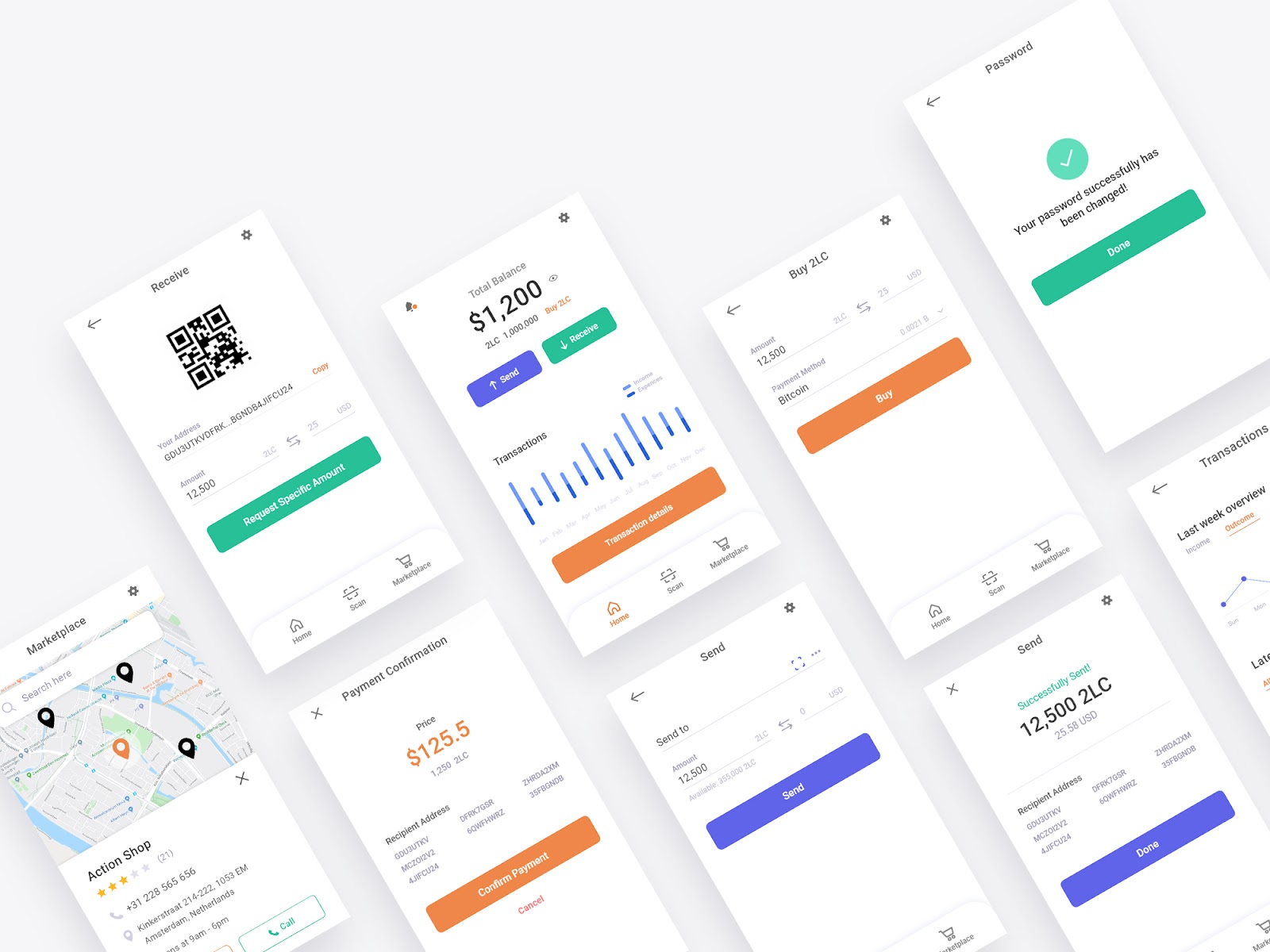
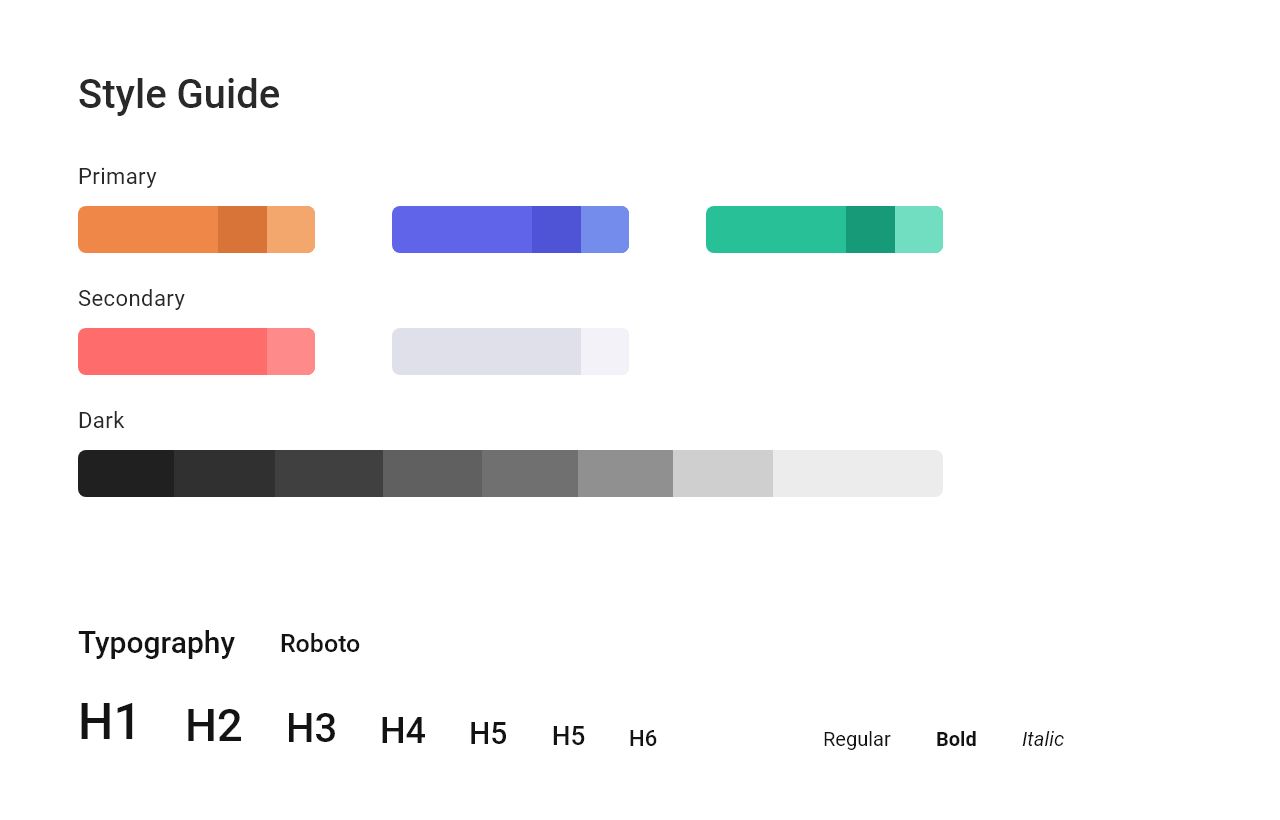
After we made sure that the solution we're creating is the best that we can come up with based on the resources we have, then I made another step to visualize the product, structure, and style we're going to have. so, we can clearly understand what is the end product could be and also running our own usability testing (We didn't have resources to hire some potential users to run the usability testing).

Thanks for reading!