

Commercial Real Estate Project Management App
Streamlined the manual outdated commercial real estate workflows by designing an end-to-end SaaS app.
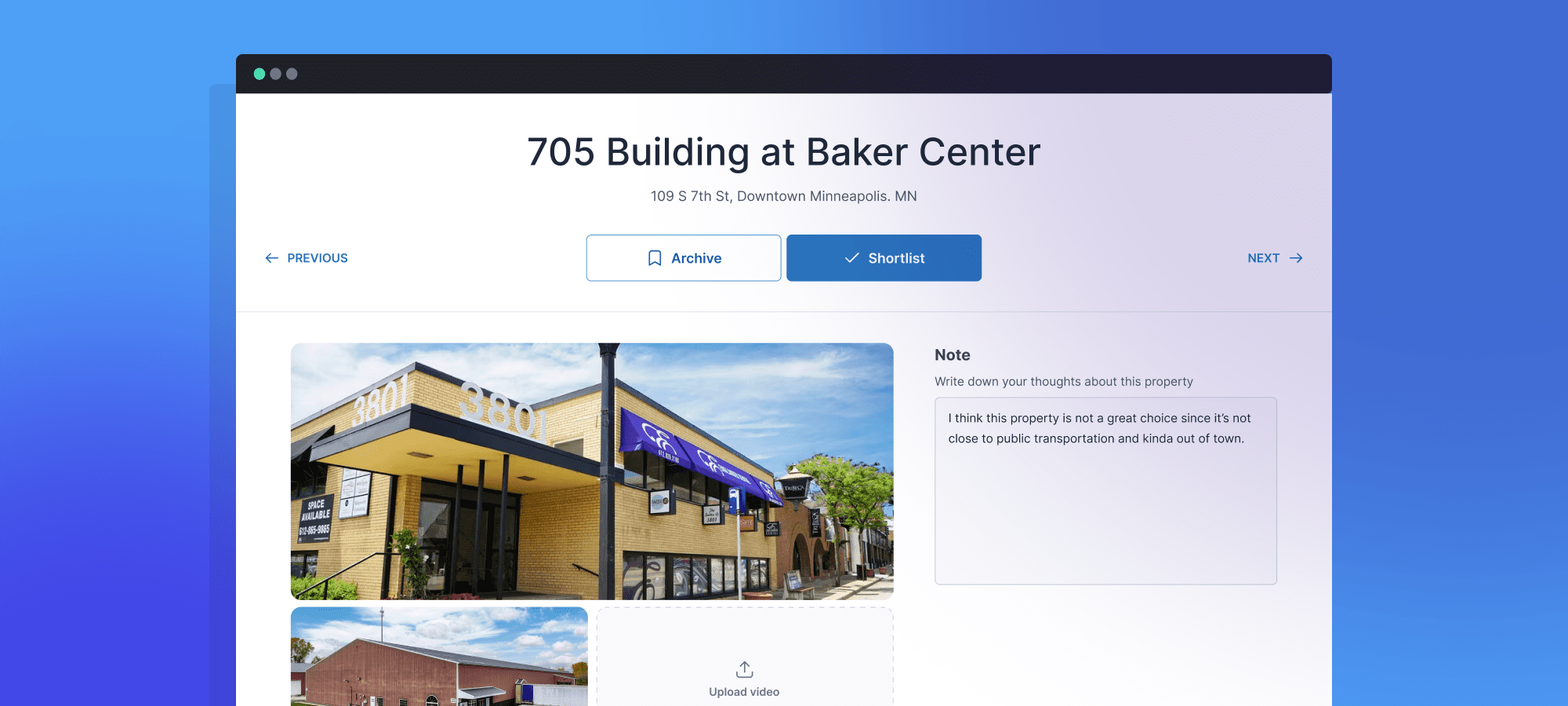
Intro
Commercial real estate brokers often find themselves overwhelmed by spreadsheets and endless email threads. I had the opportunity to address this challenge with creSimplify, a tool built to streamline and simplify the complex workflows of commercial real estate brokerages.
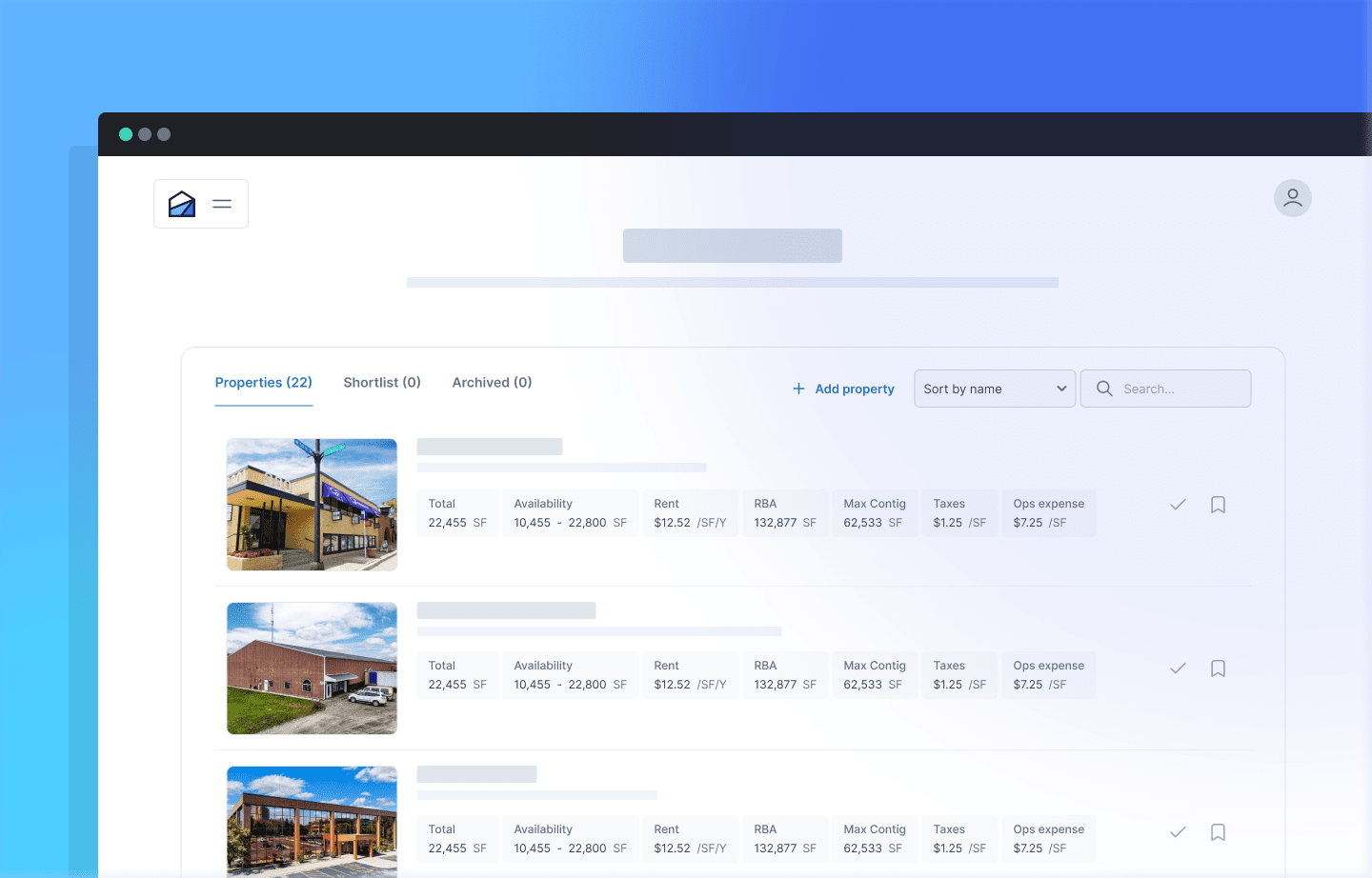
As the sole designer on this project, I transformed a complex vision into a functional and user-friendly SaaS app.
The Challenge
In the commercial real estate industry, brokers were bogged down by manual, time-consuming tasks. They relied heavily on outdated methods like Excel spreadsheets and endless email chains to handle key operations such as:
- Sending and countering RFPs (Requests for Proposals)
- Managing property listings
- Determining the best real estate options for clients
Which led to:
- Lots of wasting of time and money
- Many errors due to manual and inefficient workflow
- Hectic back and forth
This lack of automation led to inefficiencies, errors, and significant delays, making it difficult for brokers to focus on securing deals. The workflow needed a serious overhaul to reduce reliance on manual processes and create a more efficient, error-free environment.
Process
1. Research
I kicked off the project by diving deep:
- Understanding Pain Points: Conducted interviews with brokers to understand their daily challenges.
- Workflow Analysis: Mapped out existing processes to identify bottlenecks and redundancies.
- Technology Assessment: Evaluated the tools they were currently using (mostly spreadsheets and email) to see where improvements could be made.
Key Insights
- Inefficient Communication: Email chains were causing important information to get lost or overlooked.
- Manual Data Entry: Reliance on spreadsheets led to errors and wasted time.
- Lack of Integration: No centralized system meant data was scattered across multiple platforms.
2. Design
Armed with these insights, I set out to create a solution that would streamline their workflows.
User Experience (UX) Ideas
- Automated Workflows: Implemented features to automate repetitive tasks like sending RFPs.
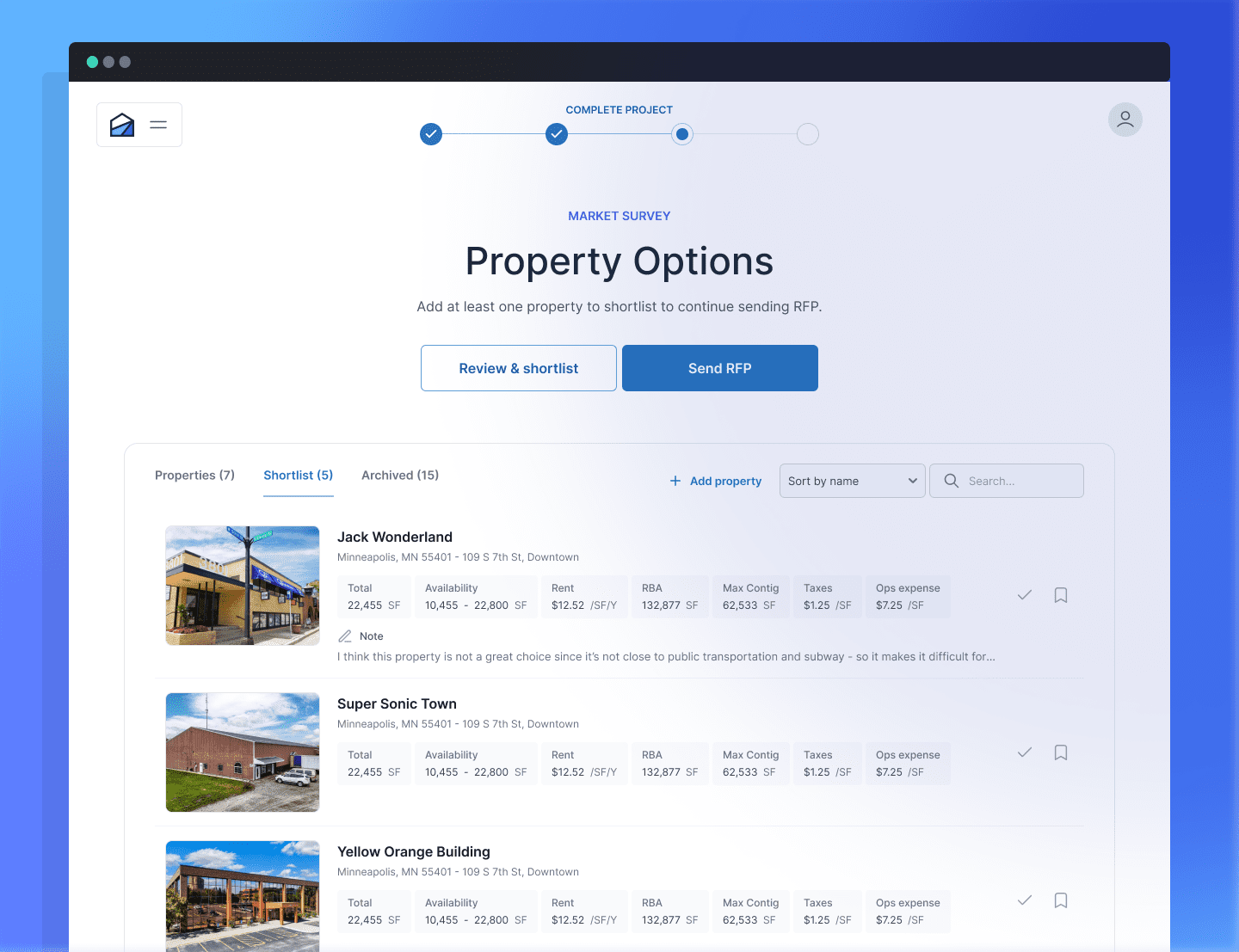
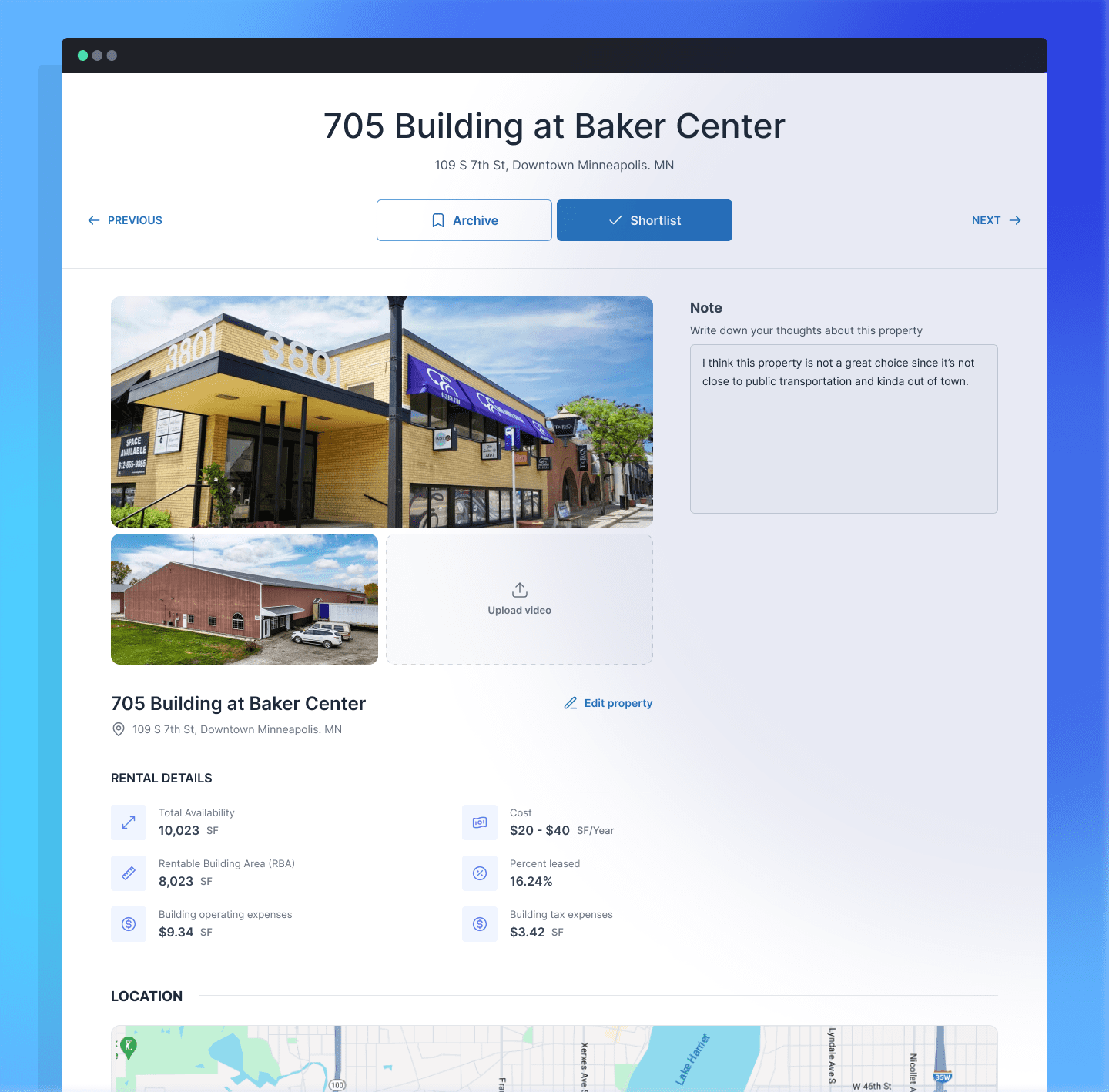
- Centralized Dashboard: Created a unified interface where brokers could manage all their activities.
- Collaboration Tools: Integrated messaging and notification systems to reduce reliance on email.
Wireframing and Prototyping
- Iterative Design: Went through several rounds of wireframing and prototyping, constantly refining based on feedback.
- User Testing: Conducted usability tests with actual brokers to ensure the design met their needs.
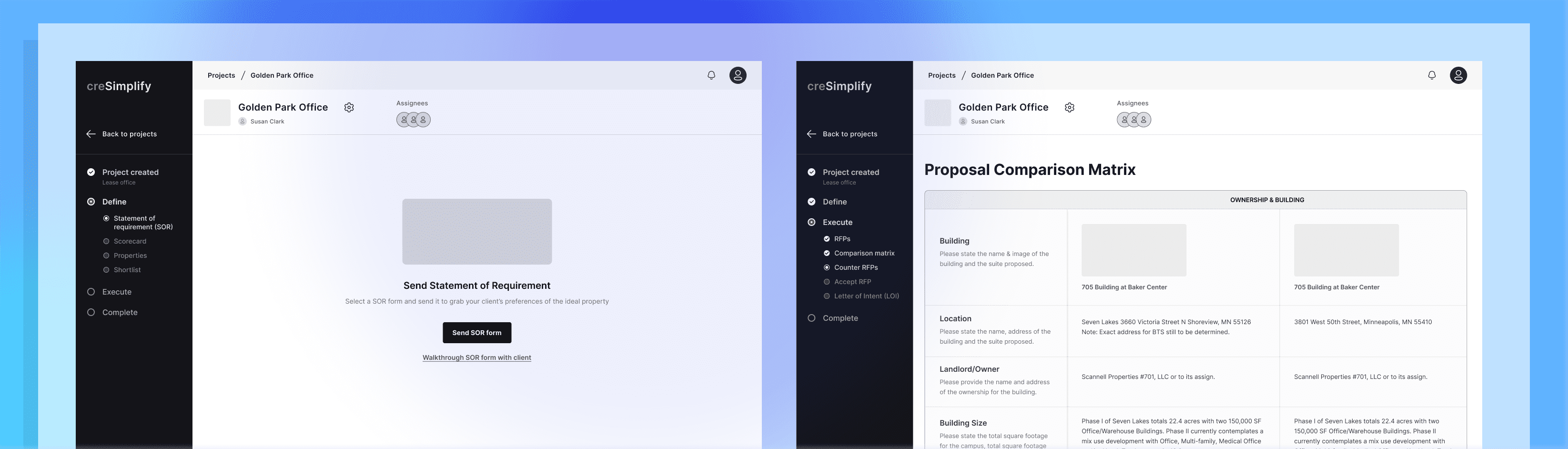
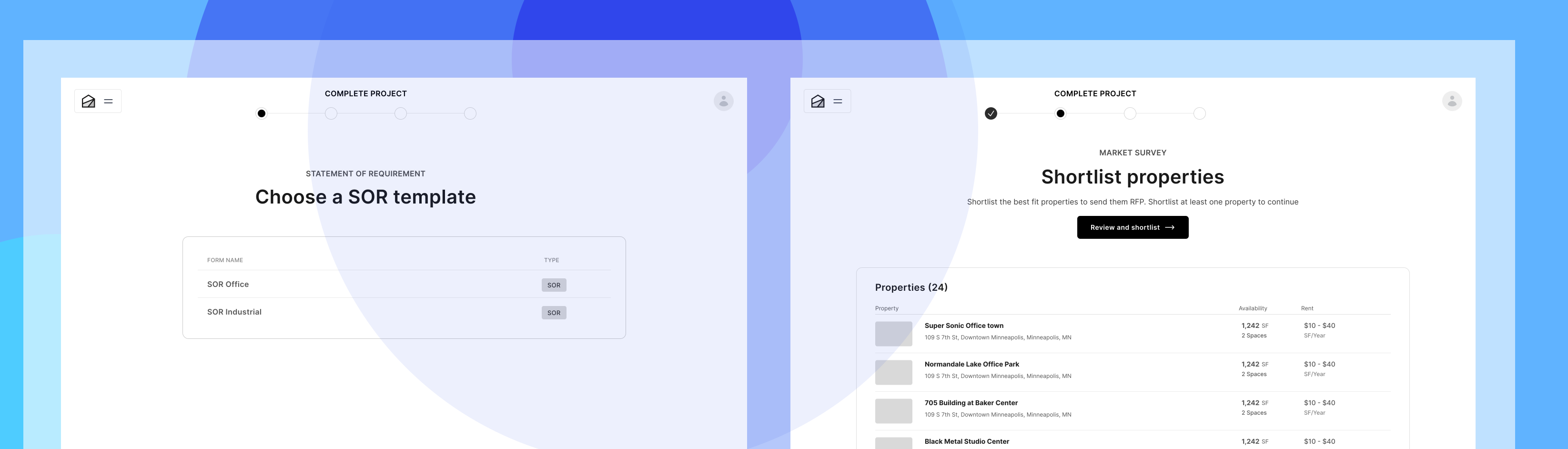
Visual Design and Design System
- User-Friendly Interface: Focused on a clean, intuitive design to make the transition from spreadsheets easier.
- Component-Based Design System: Developed in Figma to ensure consistency and scalability.
- Responsive Design: Made sure the app worked seamlessly across various devices.
Deliverables
- Product Design (UI + UX): An end-to-end design of the web app.
- Design System: A component-based system in Figma for future scalability.
- Prototypes: Interactive prototypes for testing and demonstration purposes.
Outcome
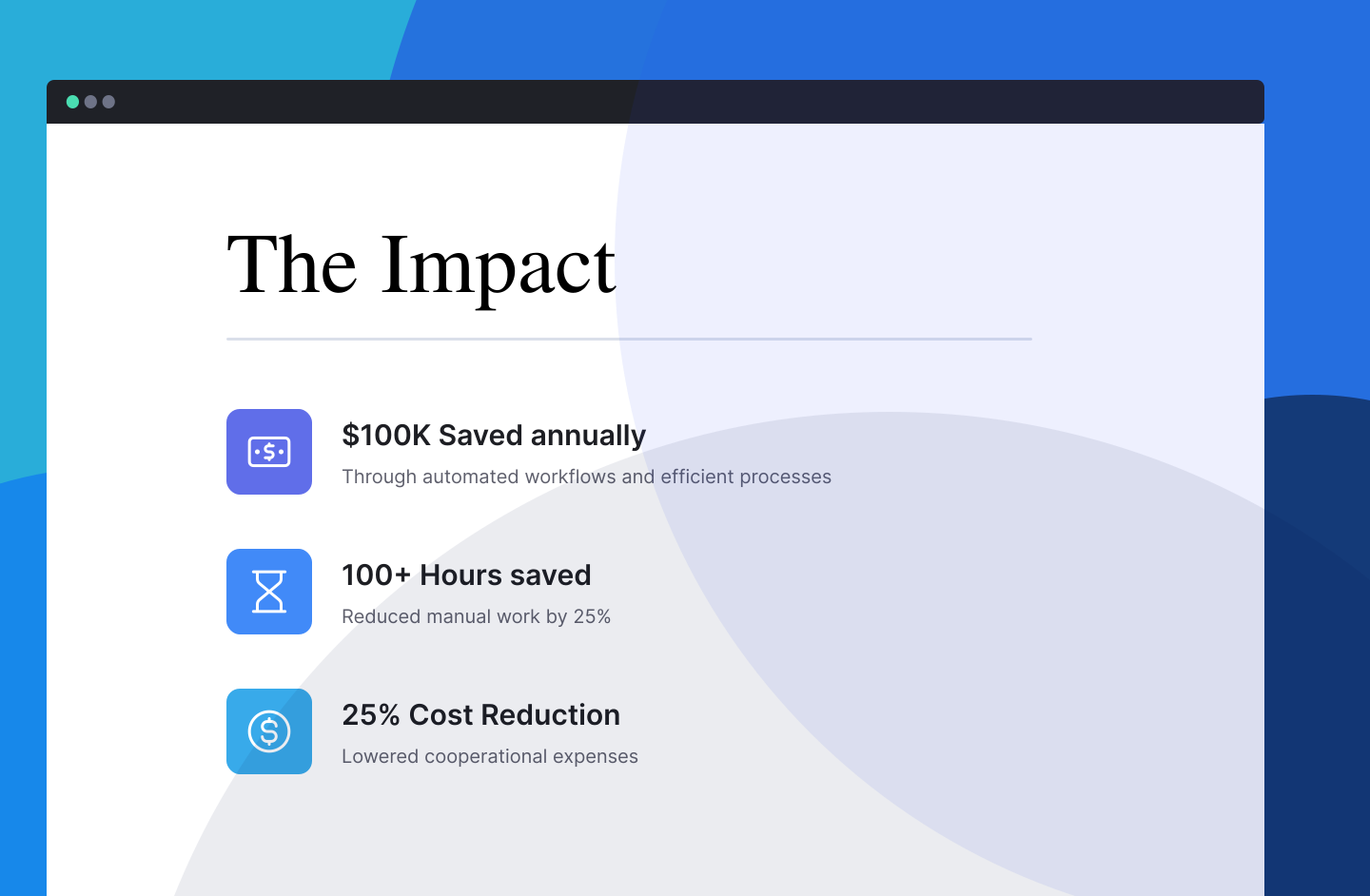
The result was a user-friendly web app that transformed how commercial real estate brokers manage their workflows. Key operations like RFP management and property listings were streamlined, reducing errors and saving time. Brokers could now focus more on securing deals rather than getting bogged down in administrative tasks.
Reflection
This project was a rewarding experience that reinforced the importance of user-centric design. By closely collaborating with brokers and stakeholders, I was able to develop a solution that truly met their needs. If I were to do it again, I'd consider integrating AI features to automate even more tasks.
Conclusion
Working on creSimplify allowed me to make a real impact on an industry ripe for innovation. It was exciting to see how design can transform complex, outdated processes into efficient, user-friendly systems. This project not only helped brokers become more efficient but also taught me a lot about the real estate industry and its challenges.


